Regional Websites: North America USA Website United Kingdom United Kingdom Website

Hand Soap

Effective hand soap = more frequent handwashing = less risk of foodborne illness

Liquid or Foam

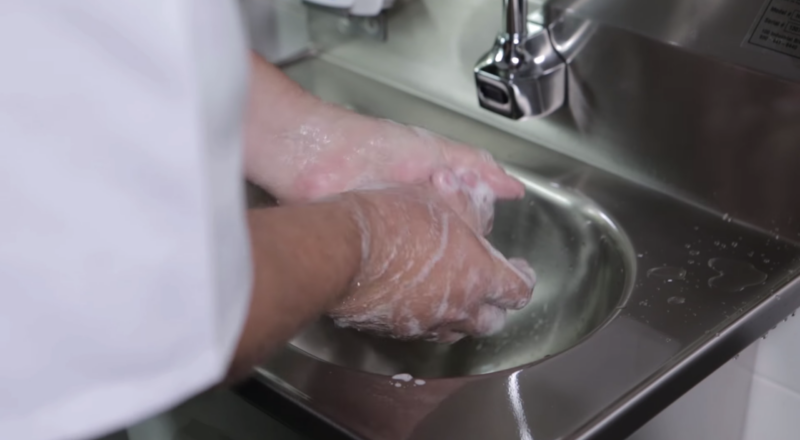
Hand SoapWell formulated hand soaps, liquid and foam, provide both effective cleaning and an incentive to wash frequently.

Failure on either point cuts compliance levels and raises operator risk. Pre-foamed hand soap spreads quickly and evenly. Its cling factor holds the cleaning power in place, reducing waste, consumption and potential skin irritation. Ease of thorough rinsing and general aesthetics are preferred by food workers, encouraging frequent use. Others prefer liquids, particularly in operations where heavy soil conditions prevail. Whether you prefer liquid or foam delivery systems, insure the product selected delivers these desired results.

First, the hand soap must be effective in cleaning the soils related to your environment, removing the principal pathogens responsible for illness. Reputable suppliers provide specifications and research documentation confirming efficacy of their product offerings. You can test cleaning ability by using a glo-lotion and the UV light training technique. How well does the soap remove the glo-lotion?

Second, the hand soap must clean thoroughly but not aggressively. The cleansing action must be balanced to protect the natural benefits of healthy skin. Skin is an important part of our immune system and it is easier to clean when it is healthy and smooth. A controlled cleansing formulation encourages frequent washing and minimizes the danger of cracked, dry skin. Take the time to insure you are not undermining your hygiene program with generic soaps, often bundled in with the purchase of "chemicals". Start with a short-list of experienced suppliers, those with easily accessed support personnel and documented performance standards.

Antibacterial soaps are not essential for good handwashing results. Hand soaps are about removing pathogens, not killing them. Good kill levels require a contact time incompatible with most hand washes. There is data available on some formulations that indicate an added reduction of pathogens is possible but research continues to favour non anti-bacterial soaps. Killing pathogens is the role of alcohol hand sanitizers.

Next, match the right soap with reliable dispensers. Insist on the following:

  • A bagged airless system. These can be formulated without the harsh chemicals required to keep open-top dispensers from rearing pathogenic bacteria. This allows the chemist the opportunity to deliver a truly skin friendly product and minimizes the risk of soap being contaminated by pathogens (in recent study, 25% of open top dispensers were contaminated)

  • A built in counting system. These provide management with the handwash frequency numbers for tracking performance. See Hands-On plan.

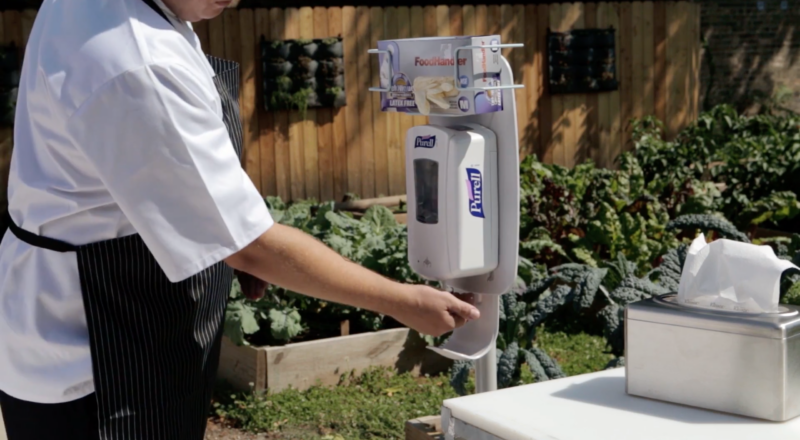
  • A touch-free dispenser eliminates the possibility of cross-contamination caused by buttons or levers.

  • Finally, make this hand soap convenient in all respects. Locate a dual bag dispenser (providing a never-out system) near the faucet. The user can then pre-rinse their hands before applying the hand soap. This increases effectiveness and speeds the process.

Your hand soap 10-point checklist:

  1. Insure soap is effective for the location, the soil.
  2. Fast soil wetting and penetration.
  3. Good foaming to lift soil away from skin.
  4. Easy rinsing, avoiding residues that damage skin.
  5. Pleasant feel and fragrance to encourage use.
  6. No lingering fragrance, rinses away with foam.
  7. Reliable touch-free dispensers with refill alert.
  8. Airless, bagged system.
  9. Counter for frequency tracking.
  10. Located for total convenience of users.

Leadership Companies:

Kimberly-Clark, Steiner Hygiene, Technical-Concepts and Nampak Tissue offer best practice products in their range. For more information click their names to see the products that are endorsed by Handwashingforlife(r).